
Product Search
No products found.
Category
Featured Product
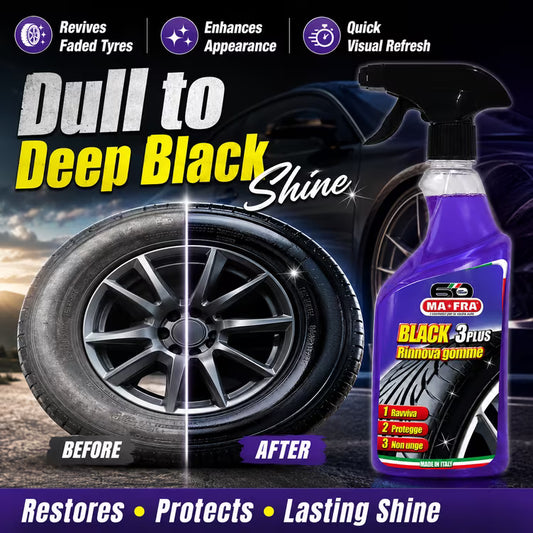
MAFRA Black 3Plus 500ml Tyre Blackener & Shiner – Renews
Regular price
Rs. 424.00
Sale price
Rs. 499.00
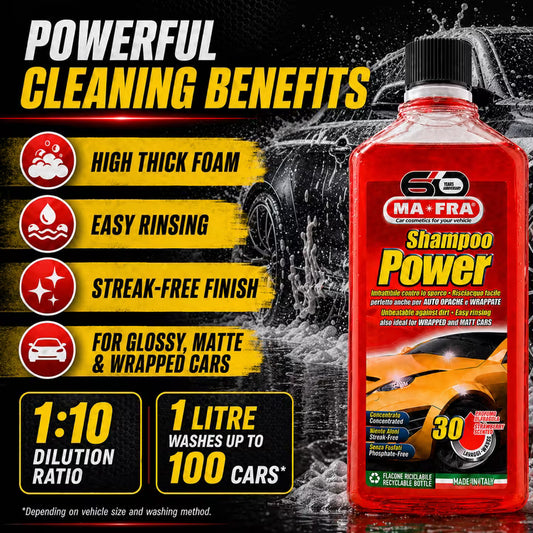
MAFRA 1L Car Wash Power Shampoo And High Foaming Formula
Regular price
Rs. 339.00
Sale price
Rs. 399.00
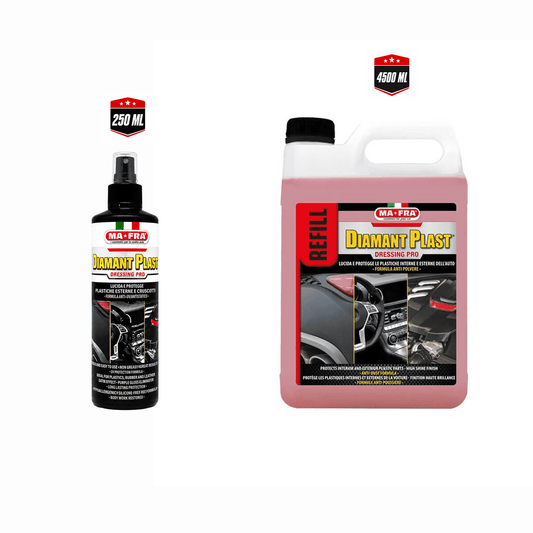
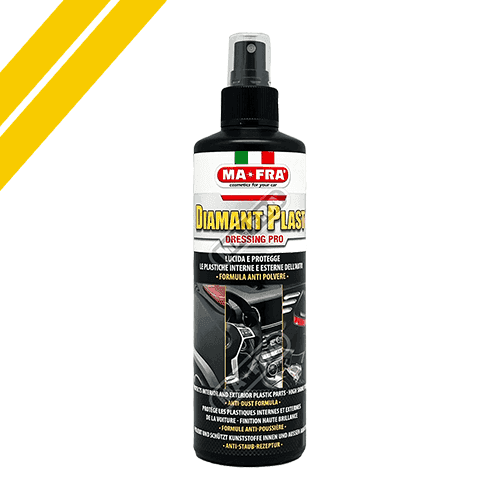
Mafra Diamant Plast Dressing Pro — Dashboard Polish for Car | Plastic, Rubber & Trim Dressing
Regular price
Rs. 424.00
-
Rs. 2,605.00

-15%
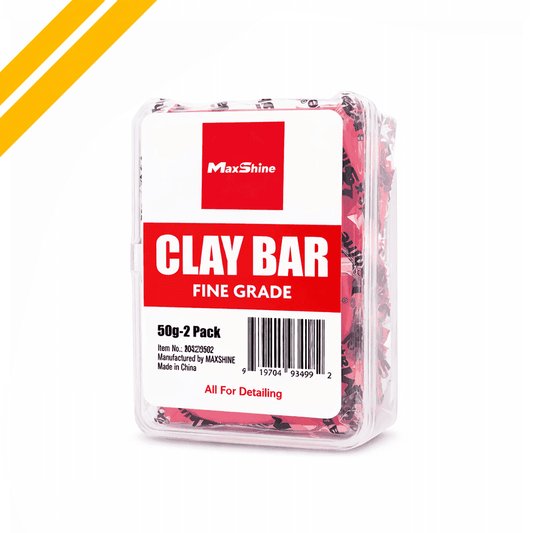
Maxshine Detailing Clay Bar - 100g Heavy (2x50gram)
Regular price
Rs. 545.00
Sale price
Rs. 641.00
Red
Green
-15%
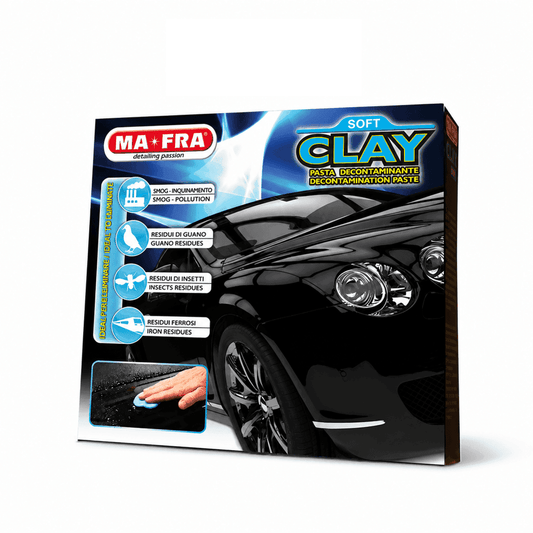
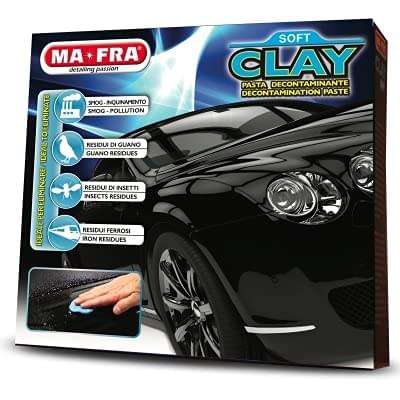
MA-FRA Dark Clay Bar 200g – Car Paint Decontamination Clay
Regular price
Rs. 2,041.00
Sale price
Rs. 2,401.00
-15%
Sold out
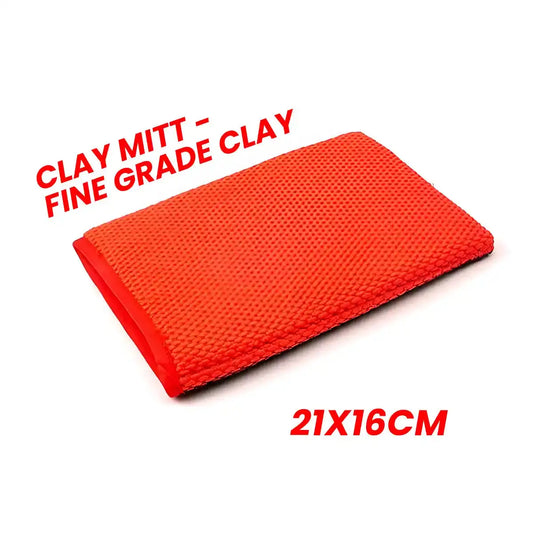
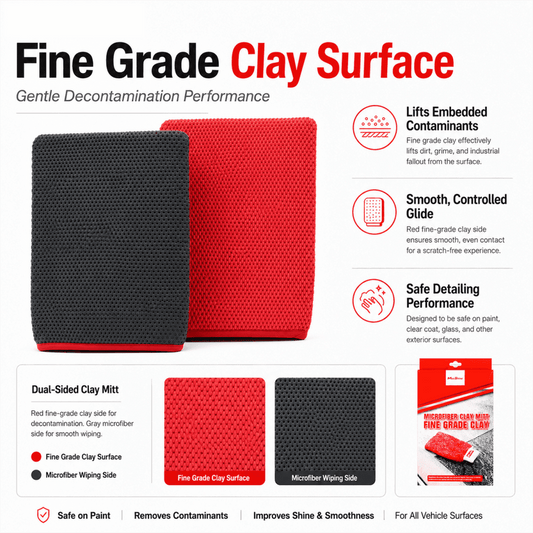
Clay Mitt Fine Grade – Surface Decontamination Mitt
Regular price
Rs. 1,976.00
Sale price
Rs. 2,325.00
-15%
-15%
Clay
Car Clay Bar
Make rough paint feel smooth as glass, before you polish, wax or coat.
Run your hand over a freshly washed car. Does the paint feel gritty, like very fine sandpaper? That roughness is bonded dirt: tiny bits of industrial fallout, tree sap, road grime and overspray that have stuck to the paint. Washing can't lift them. A car clay bar can.
Shop our range of detailing clay, clay mitts, clay towels and clay sponges below. They suit car owners who like to detail at home, studios, workshops and car wash businesses.
Shop Car Clay Bar and Clay Tools
Clay bars
Maxshine Detailing Clay Bar 100g Heavy (2x50gram): a detailing clay bar in two 50g pieces, so you can use one and keep the other. It comes in red and green options. Check the product page for the difference.
MA-FRA Dark Clay Bar 200g: a car paint decontamination clay in a large 200g pack, good for detailers who clay many cars. Currently sold out. Use the notify option on the product page.
Faster clay tools
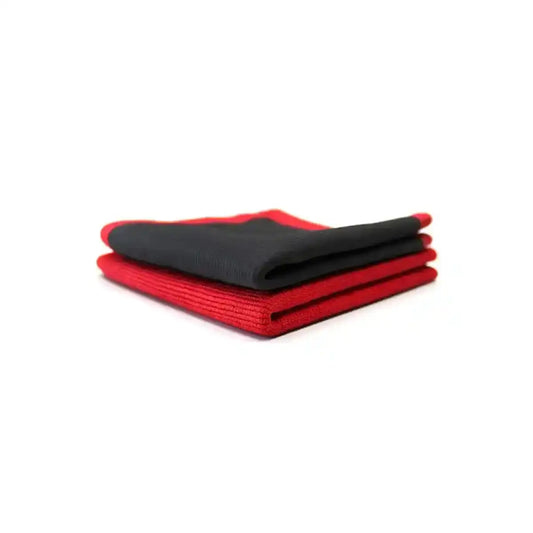
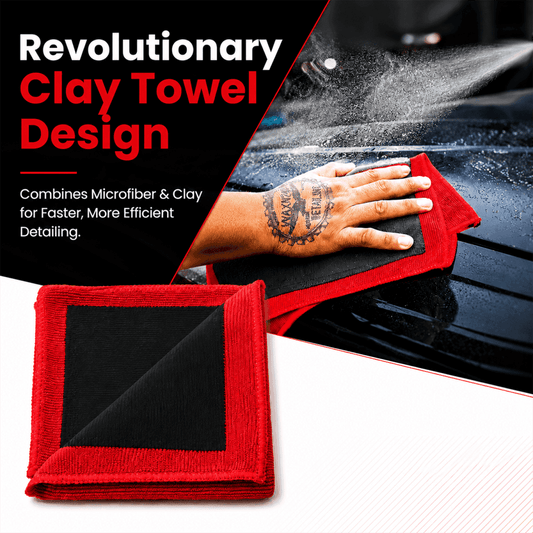
Clay Towel Fine Grade: a fine grade clay towel for professional paint decontamination. It covers a panel faster than a bar.
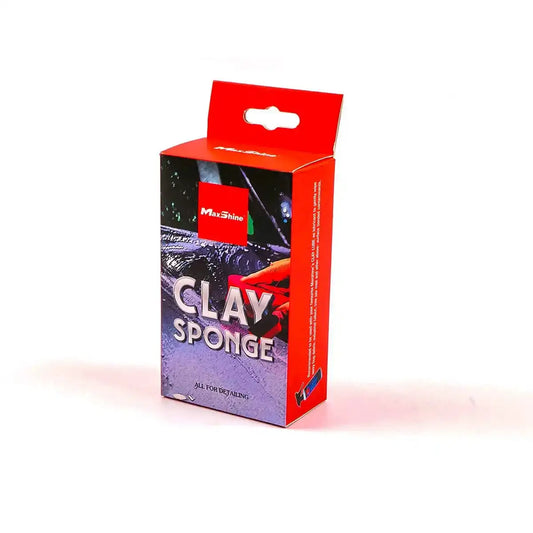
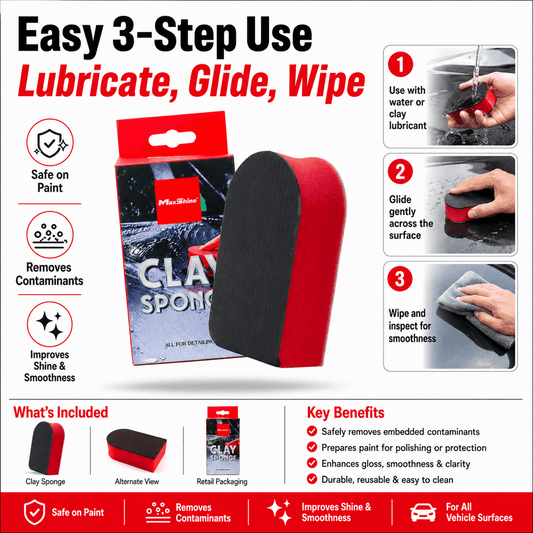
Clay Sponge: a clay sponge for removing surface contamination, easy to hold and good for beginners.
Clay Mitt Fine Grade: a fine grade clay mitt for surface decontamination. Currently sold out. Use the notify option on the product page.
What Is a Clay Bar?
A clay bar is a piece of soft, putty-like material that you glide over wet, lubricated paint. As it moves, it grabs the contamination that is sticking out of the surface and pulls it off. You can see and feel the difference: the bar picks up grit, and the paint turns smooth.
This is called mechanical decontamination, and it is the step between washing and polishing. A clay bar doesn't polish the paint or remove scratches. It cleans it.
What Does Clay Remove?
-
Industrial fallout: Tiny particles from factories, railways and traffic.
-
Tree sap and sticky residue: Often left in small spots.
-
Paint overspray: Light overspray from painting work nearby.
-
Brake dust and rail dust: Iron particles that washing leaves behind. An iron remover dissolves most of these first.
-
Road grime: Fine film that makes the paint look dull.
Clay won't fix scratches, swirl marks, etched water spots or faded paint. For those you need a compound and polish.
How to Tell If Your Paint Needs Clay
Try the baggie test. Wash and dry the car, then put your hand in a thin plastic bag and glide it across the paint. If it feels bumpy or gritty, you have bonded dirt. If it feels smooth, you can skip clay for now.
Clay Bar vs Clay Mitt vs Clay Towel vs Clay Sponge
Clay bar: The classic. Gives you the most control and feel, but you have to knead it and use it in small sections. Best for careful, detailed work.
Clay towel: A towel with a clay-like surface. Fast and reusable, and good for larger areas.
Clay mitt: A mitt that fits your hand. Quick and comfortable, and covers a panel faster than a bar.
Clay sponge: A sponge with a clay surface. Easy to grip and a good starting point.
All of them need plenty of lubricant, and all of them work better on a clean, decontaminated surface.
How to Use a Car Clay Bar: Step by Step
-
Wash the car: Use a safe car shampoo and rinse well. Claying a dirty car just scratches the paint.
-
Use iron and tar remover first: Dissolve what you can with iron remover and tar remover, so the clay has less to do.
-
Work in the shade: The panel should be cool and wet.
-
Prepare the clay: Break off a piece, flatten it into a small pad in your palm, and keep it clean.
-
Lubricate well: Spray clay lube or a suitable quick detailer on a small area, about 2 by 2 feet. Never clay a dry surface. Many people use a quick detailer, but check the label.
-
Glide gently: Move the clay back and forth in straight lines with very light pressure. Let the clay do the work.
-
Listen and feel: It will feel rough and sound gritty at first, then glide smoothly when the section is clean.
-
Wipe the section: Dry it with a clean microfiber towel and check with your hand.
-
Fold and knead: Fold the clay to show a fresh surface often. When it looks dirty, discard that part.
-
Finish and protect: Wash the car again, polish if needed, and apply wax or sealant or a coating.
If you drop a clay bar on the ground, throw it away. It will have picked up grit that can scratch your paint.
Using a Clay Mitt, Towel or Sponge
The steps are the same, with a few differences.
-
Use plenty of lubricant, because these tools need even more slip than a bar.
-
Rinse the tool in clean water between sections.
-
Check for grit if it falls, and rinse it well before inspecting it. If you're unsure, replace it.
-
Follow up with a polish on dark paint, since clay tools can leave light marring, especially on black and other dark colours.
Tips and Care
-
Go lightly, because pressure isn't needed and it can cause marring.
-
Keep the surface wet, and add more lube straight away if the clay grabs or drags.
-
Store your clay clean, in its case and away from dust and heat.
-
Test on a small area first, especially on soft or freshly painted panels.
-
Avoid fresh paint, as new paint needs time to cure before claying.
-
Always protect the paint afterwards, since claying strips off wax and sealant.
How to Choose the Right Clay Product
-
Think about how often you clay, since a bar suits occasional use while a mitt or towel suits frequent use and bigger jobs.
-
Think about your skill level, because beginners often find a sponge or mitt easy, while experienced detailers may prefer a bar for control.
-
Check the paint condition, as heavy contamination and dark paint need extra care and a polish afterwards.
-
Choose the right pack size, since small bars suit one or two cars and larger packs suit studios.
-
Don't forget the lubricant, because every clay product needs it.
How Often Should You Clay Your Car?
For most cars, once or twice a year is enough. Do it before a polish, wax, sealant or coating, since those need a smooth, clean surface. Use the baggie test to decide. If the paint feels smooth after washing, you don't need clay.
Frequently Asked Questions
Does a clay bar scratch paint?
Used correctly with plenty of lubricant, it's safe. Mistakes like using too little lube, pressing too hard or using a dropped bar can cause scratches or marring.
Do I need lubricant?
Yes. Clay must always glide over a wet, slippery surface.
Can I use a clay bar on glass?
Many people do, but check the label and use plenty of lubricant.
Should I clay before or after polishing?
Before. Clay first, then polish, then protect.
Do I need to wax after claying?
Yes. Clay removes wax and sealant along with the dirt, so you should reapply protection.
What if my clay bar turns dark?
That's normal. It shows the dirt it has picked up. Fold it to a clean surface, and replace it when it's too dirty.
Can a clay mitt replace a clay bar?
For many jobs, yes. A mitt is quicker, but a bar gives you more control. Both need good lubricant.
Complete Your Paint Prep
-
Iron Remover: iron remover to dissolve metal particles first.
-
Tar Remover: tar remover for sticky spots.
-
Compounds: compounds to fix swirls and scratches.
-
Wax & Sealants: wax and sealant to protect the smooth paint.
-
Coating: coatings for longer-lasting protection.
-
Pads: polishing pads for machine polishing.
-
You can also shop by brand: Maxshine, MAFRA and Menzerna India.
Buy Car Clay Bar Online in India
Smooth paint is the secret behind every great shine. With the right clay product and plenty of lubricant, you can remove bonded dirt safely and get your paint ready for polish and protection. Choose your product above and order online. Not sure which one suits you? Call +91 82-52-300-400 or write to info@detailingessentials.in, and our team will help you.