
Alloy Wheel Cleaner Guide to Remove Brake Dust Safely
How to Clean Alloy Wheels Safely and Remove Brake Dust
Have you ever washed your car and noticed that the alloy wheels still look black and dirty? You may wash them again with car shampoo, but some dark spots do not go away. Most of this dirt comes from the road and the braking system of your car.
An alloy wheel cleaner can help remove dirt that is difficult to clean with normal car shampoo. However, not every wheel cleaner is suitable for every type of alloy wheel. Using the wrong product can leave marks or damage the wheel finish.
In this guide from Detailing Essentials, you will learn why alloy wheels become dirty, how to choose the right cleaner and how to keep your wheels looking good.
What Is the Best Way to Clean Alloy Wheels?
The best way to clean alloy wheels is to start with cool wheels, remove loose dirt and use a mild cleaner suitable for the wheel finish. A soft wheel brush helps clean small gaps and corners. Rinse the wheels well and dry them with a clean microfiber cloth to reduce water marks.
For light dirt, normal car shampoo may be enough. For heavy brake dust and stubborn road dirt, a suitable alloy wheel cleaner may be needed.
Why Do Alloy Wheels Become Black?
Every time the brakes are used, tiny particles from the brake pads and discs can collect on the wheels. These particles mix with road dust and form a dark layer. This is called brake dust.
You may also notice that the front wheels of your car become dirtier than the rear wheels. This can happen because the front brakes often handle more of the braking work. Regular city driving and heavy traffic can also increase brake dust buildup.
If this dirt stays on the wheels for several weeks, it can become harder to remove.
What Is an Alloy Wheel Cleaner?
An alloy wheel cleaner is a product made to remove brake dust, road dirt and other stains from suitable car wheels. It helps with dirt that normal washing may leave behind. Different wheel cleaners are made for different types of dirt and wheel finishes.
At Detailing Essentials, you can explore Wheel and Tyre Care Products for regular car washing and professional wheel care. Before choosing a product, check the type of wheels fitted to your car.
Which Cleaner Should You Use for Different Wheel Problems?
Not every dirty wheel needs a strong cleaner. Sometimes the problem is only loose dust, while other times it may be iron particles or old water marks. Knowing the difference can help you choose the right product and avoid spending money on unnecessary cleaners.
| Wheel problem | Suitable product or solution |
|---|---|
| Light dust and mud | Mild car shampoo |
| Heavy road dirt | Compatible alloy wheel cleaner |
| Stuck brake dust and iron particles | Compatible iron remover |
| Fresh water marks | Gentle washing and drying |
| Old mineral stains | Wheel-safe mineral stain treatment |
| Peeling coating or deep scratches | Professional wheel repair |
Always check whether the chosen product is suitable for your wheel finish. A cleaning product cannot repair damaged paint or peeling wheel coating.
Can You Use Car Shampoo Instead of Alloy Wheel Cleaner?
Yes, you can use car shampoo when your alloy wheels have only light dirt. If you wash your car regularly, normal shampoo may be enough to keep the wheels clean. There is no need to use a dedicated wheel cleaner every time.
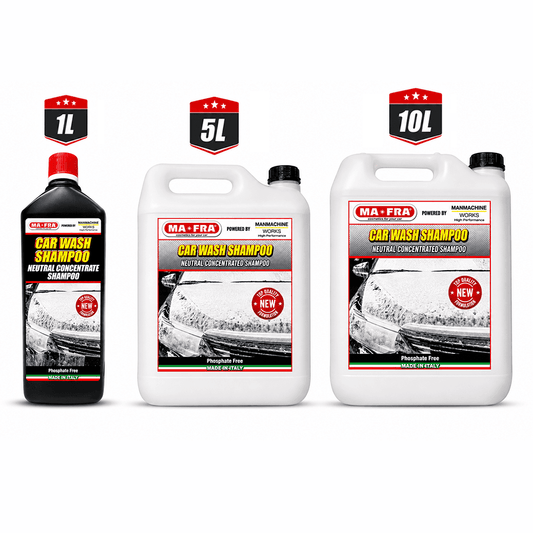
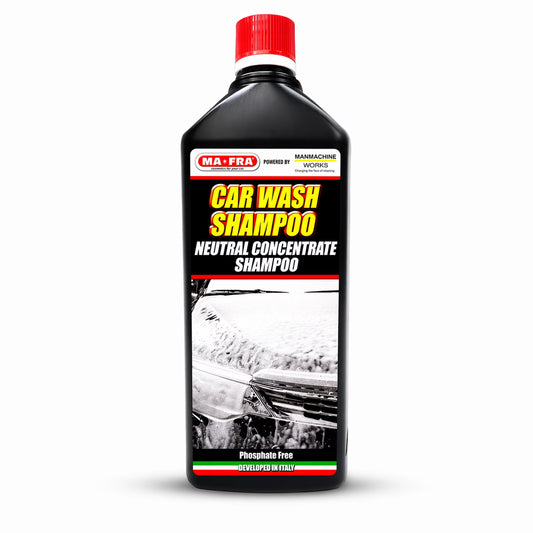
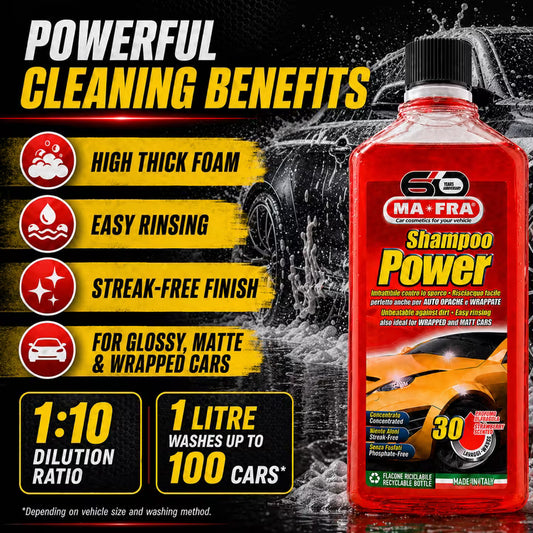
A mild Car Wash Shampoo is a good starting point for regular washing, provided it is suitable for the wheels. If black brake dust remains after washing, you may need a product made for wheel cleaning.
Alloy Wheel Cleaner vs Iron Remover
Many car owners think that wheel cleaner and iron remover are the same product. Both can help clean wheels, but they are made for different types of dirt. Some products may also combine both cleaning functions.
Alloy Wheel Cleaner
A wheel cleaner mainly helps remove road dirt, grease and brake dust. It is useful when normal car washing does not remove all the dirt. The correct cleaner depends on the wheel finish and the type of dirt present.
Iron Remover
An Iron Remover is made to remove tiny iron particles stuck to suitable surfaces. These particles may remain even after normal wheel washing. Not every black spot is an iron particle, so it is important to identify the problem first.
How to Choose a Cleaner for Your Alloy Wheels
All alloy wheels are not the same. Some have painted surfaces, while others have a polished, matte or diamond-cut finish. A cleaner that works well on one wheel may leave marks on another.
| Wheel finish | What to look for |
|---|---|
| Painted alloy wheels | Mild cleaner suitable for painted wheels |
| Diamond-cut wheels | Gentle cleaner approved for diamond-cut finishes |
| Matte black wheels | Cleaner suitable for matte surfaces |
| Polished alloy wheels | Product approved for polished metal |
| Uncoated alloy wheels | Manufacturer-approved mild soap or cleaner |
If you do not know which finish your wheels have, check your car owner's manual or ask the wheel manufacturer. Even a pH-neutral cleaner should be checked for surface compatibility.
What Do You Need for Alloy Wheel Cleaning?
You do not need a large collection of tools to keep your wheels clean. A suitable cleaner, a soft brush, clean water and a microfiber cloth are enough for many regular cleaning jobs. Keep these tools separate from the ones used on car paint.
A soft Car Cleaning Brush is useful for reaching wheel nuts, corners and the gaps between spokes. Avoid hard metal brushes or rough cleaning pads because they may damage the wheel finish.
How to Clean Alloy Wheels Properly
Check the Wheel Temperature
Allow the wheels to cool after driving. In summer, wheels can also become hot when the car is parked outside. Cleaning products can dry faster on hot surfaces and may leave unwanted marks.
Remove Loose Road Dirt
Loose mud and sand should be removed before wiping the wheel. This helps prevent dirt from rubbing against the finish. For regular cleaning, mild soap and water approved by the wheel maker are often enough.
Choose a Suitable Wheel Cleaner
Check the product label and the wheel manufacturer's care instructions before cleaning. Some cleaners are ready to use, while others require preparation according to the label. Always follow the safety warnings and use the recommended protective equipment.
Clean the Small Gaps
Wheel nuts and the spaces between spokes often hold more dirt than the flat wheel surface. A soft brush can help clean these areas without heavy rubbing. Avoid forcing tools into narrow spaces around the braking system.
Rinse and Dry the Wheels
Make sure no cleaning product or dirt remains on the wheel. A clean Microfiber Cloth kept only for wheel cleaning can help remove leftover water. Drying is especially useful in areas where tap water leaves white marks.
Why Do Black Spots Remain on Alloy Wheels After Washing?
Sometimes you may notice small black spots even after washing the wheels properly. These spots could be stuck brake dust, iron particles or road tar. Normal shampoo may not be able to remove this type of dirt.
Do not scratch the spots with a sharp object or rub them with a rough brush. First find out what is causing the marks. If the dirt does not come away with gentle cleaning, a professional detailer can help identify the problem.
Why Do Alloy Wheels Get White Marks?
White marks often appear when water dries on the wheels and leaves minerals behind. This is common in areas where tap water is hard. Old cleaning product that has not been rinsed properly can also leave a similar mark.
However, white patches may sometimes appear because the wheel's protective coating is damaged. If the marks are under the coating or the surface is peeling, another cleaning product may not solve the problem.
Can You Use the Same Cleaner on Wheels and Tyres?
Only when the product is made for both surfaces. Alloy wheels and rubber tyres are different materials, and some cleaners are designed for only one of them. Using a tyre-only cleaner on a delicate alloy finish may not be suitable.
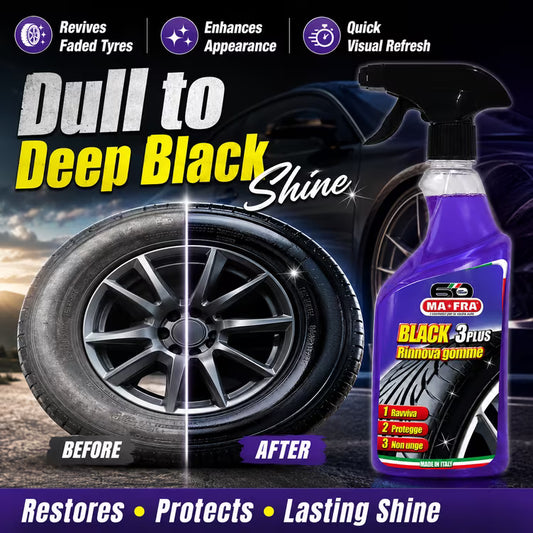
For example, Maniac Line Wheel and Tyre Cleaner is formulated for road dirt and brake dust on compatible wheels, as well as dirt and old dressing on tyres. Always check the manufacturer's instructions for the exact surface.
Remember that a tyre cleaner removes dirt, while a tyre dressing changes the appearance of the rubber. They perform different jobs.
Can an Alloy Wheel Cleaner Remove Scratches?
No. An alloy wheel cleaner removes dirt and suitable surface stains, but it cannot repair scratches or damaged wheel coating. If the wheel has been scratched against a pavement or damaged by a stone, it may need repair.
Sometimes a mark that looks like a scratch is only dirt sitting on the surface. Cleaning can help you see whether the mark is actual damage or simply a stain.
Why You Should Avoid Household Cleaners on Alloy Wheels
Some people use bathroom cleaners, toilet cleaners or other household cleaning products to remove stubborn wheel dirt. These products are not necessarily made for automotive wheel finishes. They may leave stains or damage the protective layer.
It is better to use mild car shampoo or a wheel cleaner approved for the surface. Never mix different cleaning chemicals in an attempt to remove stubborn dirt.
How Often Should You Clean Alloy Wheels?
For a car driven every day, checking and washing the wheels around once a week is a useful starting point. If the car is used less often, the wheels may not need cleaning as frequently. The amount of dirt, the weather and the driving conditions also matter.
You do not need a heavy-duty cleaner during every wash. Regular gentle washing can stop brake dust and road dirt from becoming difficult to remove.
Alloy Wheel Care in Indian Weather
During Summer
Cars parked outside in India can become very hot, including the wheels. Water and cleaning products may dry quickly in direct sunlight. Washing in shade after the wheels have cooled can make regular cleaning easier.
During Monsoon
Rainy roads can leave mud and dirty water around the wheels. The inner areas and gaps between spokes may collect more dirt during this season. Regular washing helps stop this dirt from building up.
In Dusty Cities
Cars driven in Delhi, Noida, Ghaziabad and other busy cities often collect road dust. This dust can mix with brake dust and make the wheels look dirty even after a short drive. Regular light washing is more useful than waiting several weeks and then trying to remove heavy dirt.
Common Alloy Wheel Cleaning Mistakes
Many wheel cleaning problems happen because the wrong product or tool is used. Cleaning hot wheels, using rough brushes and allowing cleaning products to dry are common mistakes. Using the same dirty cloth on wheels and car paint can also leave scratches on the paint.
Here are some things to avoid:
-
Using household chemical cleaners on alloy wheels.
-
Cleaning wheels immediately after a long drive.
-
Using hard metal brushes.
-
Leaving cleaning product on the wheel to dry.
-
Using wheel cleaning towels on car paint.
-
Mixing different cleaning products.
-
Trying to remove damaged coating with more cleaner.
A gentle and regular cleaning routine is usually easier than removing months of built-up dirt.
What to Check Before Buying an Alloy Wheel Cleaner
Before buying a wheel cleaner, check what type of wheels your car has. Think about whether you normally deal with light road dust, heavy brake dust or stubborn stains. This will help you understand what kind of cleaning product you actually need.
Also check the bottle size, approved wheel finishes and whether the cleaner is ready to use. If you wash only one car at home, your needs may be different from those of a professional detailing studio that cleans several cars every day.
Buy Alloy Wheel Care Products at Detailing Essentials
At Detailing Essentials, you can find wheel and tyre care products, iron removers, cleaning brushes, car shampoos and microfiber towels for different car cleaning needs. Whether you maintain your own car or manage a professional detailing studio, you can choose products according to the wheel finish and the type of dirt.
You do not need to buy several cleaners for the same job. Start by understanding the problem and choose a suitable product. With regular cleaning and the right tools, maintaining alloy wheels can become much easier.
Final Thoughts
An alloy wheel cleaner can help remove brake dust and stubborn road dirt, but using the correct product is important. Always check the wheel finish and avoid unnecessary use of strong chemicals. A mild cleaner may be enough when the wheels are washed regularly.
Keep separate brushes and towels for your wheels, avoid cleaning hot surfaces and dry the wheels after washing. These simple habits can help maintain the appearance of your alloy wheels without making car care complicated.
Frequently Asked Questions
What is the best cleaner for alloy wheels?
The right cleaner depends on your wheel finish and the type of dirt. A mild, compatible cleaner is generally a good choice for regular wheel cleaning.
Can I clean alloy wheels with normal car shampoo?
Yes, car shampoo can remove light dust, mud and regular road dirt. Heavy brake dust may need a dedicated wheel cleaner.
Why are my alloy wheels still black after washing?
Stuck brake dust, iron particles or road tar may remain after normal washing. Identifying the type of dirt helps you choose the correct cleaning method.
Is alloy wheel cleaner safe for diamond-cut wheels?
Not every wheel cleaner is suitable for diamond-cut wheels. Choose a gentle cleaner that is approved for this particular finish.
Can alloy wheel cleaner remove scratches?
No, wheel cleaner removes dirt and suitable stains. Scratches, peeling paint and damaged wheel coating require a different repair method.
Should I clean alloy wheels every week?
Weekly cleaning is a good starting point for cars used regularly. You may need to wash them more or less often depending on road dirt, weather and how much you drive.
Tags:
Previous
Car Air Blower vs Microfiber Towel for Car Drying
Next
Which Is the Best Microfiber Cloth for Car Cleaning?